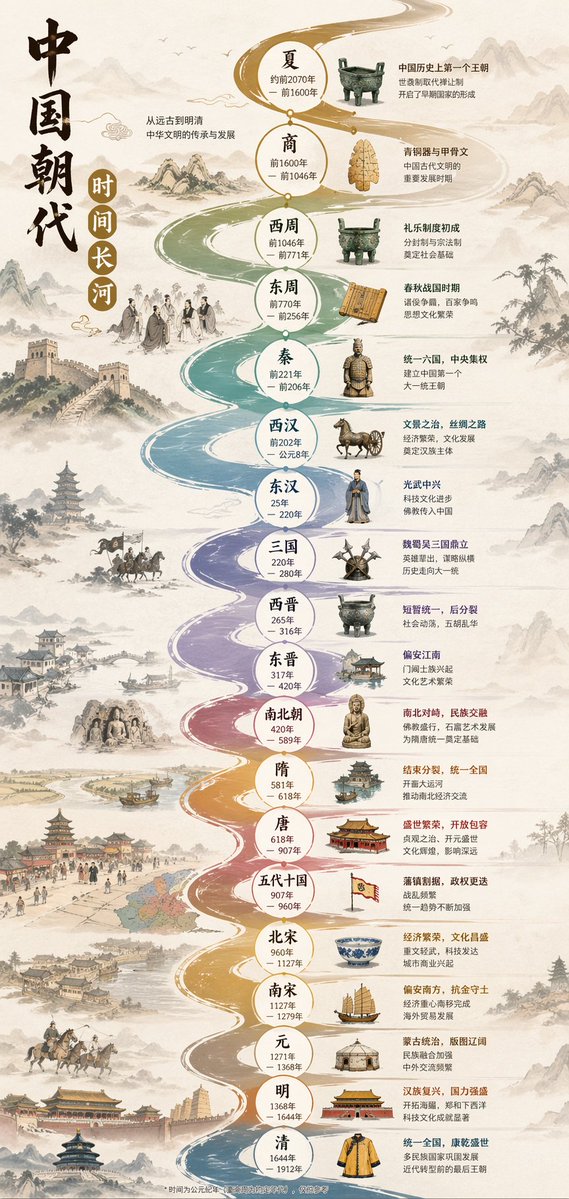
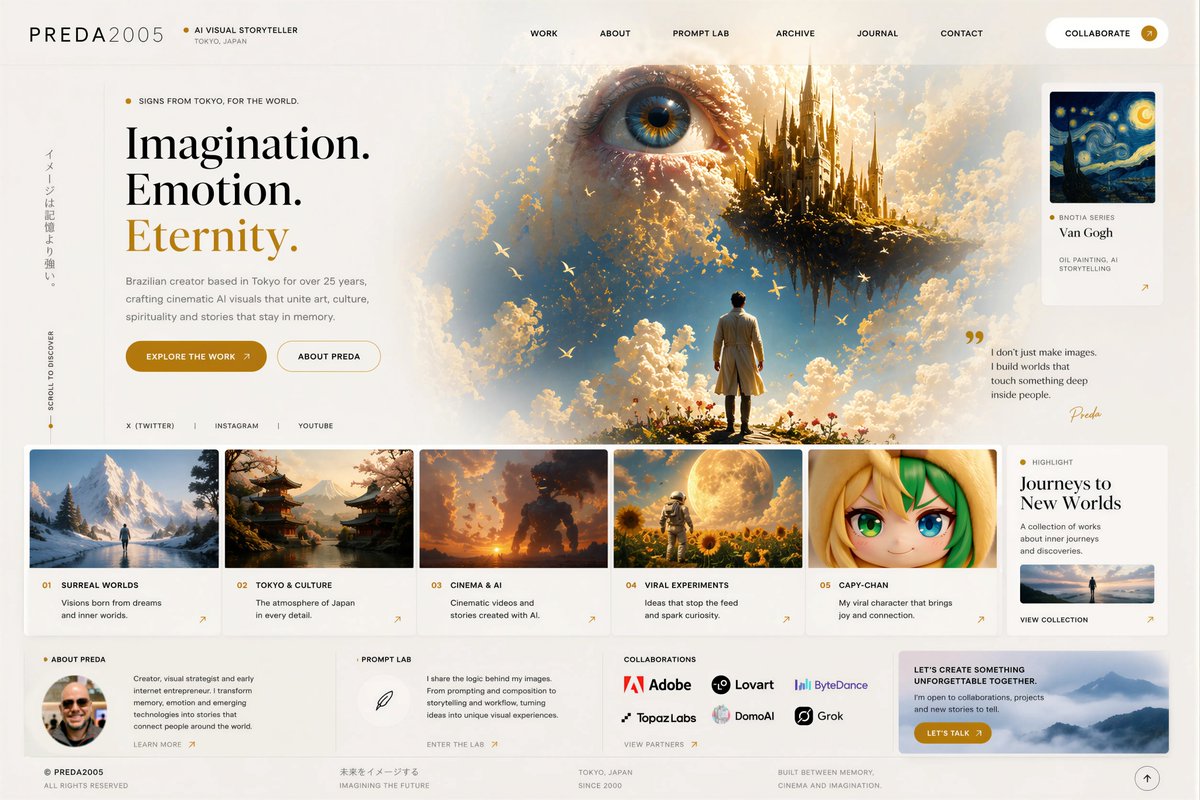
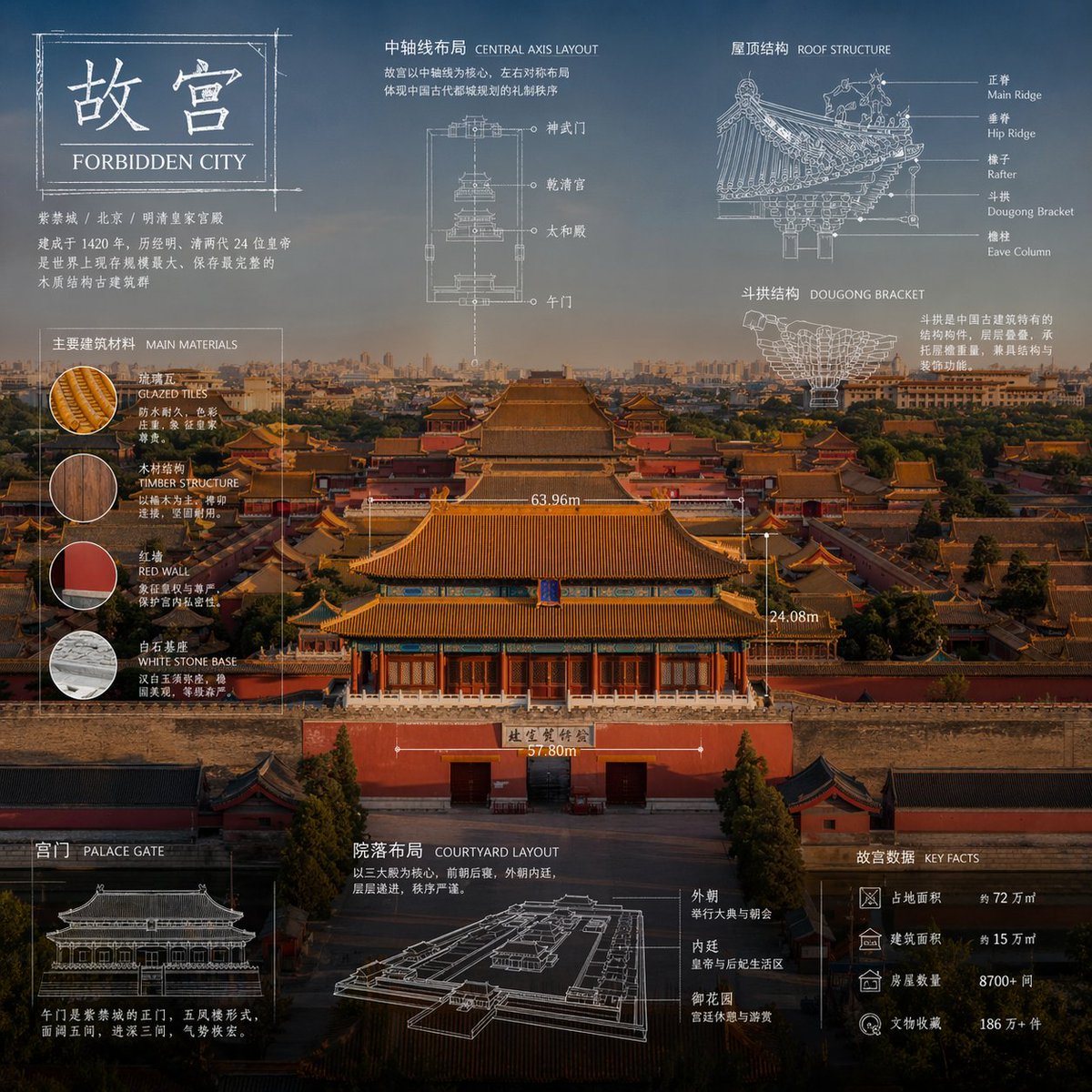
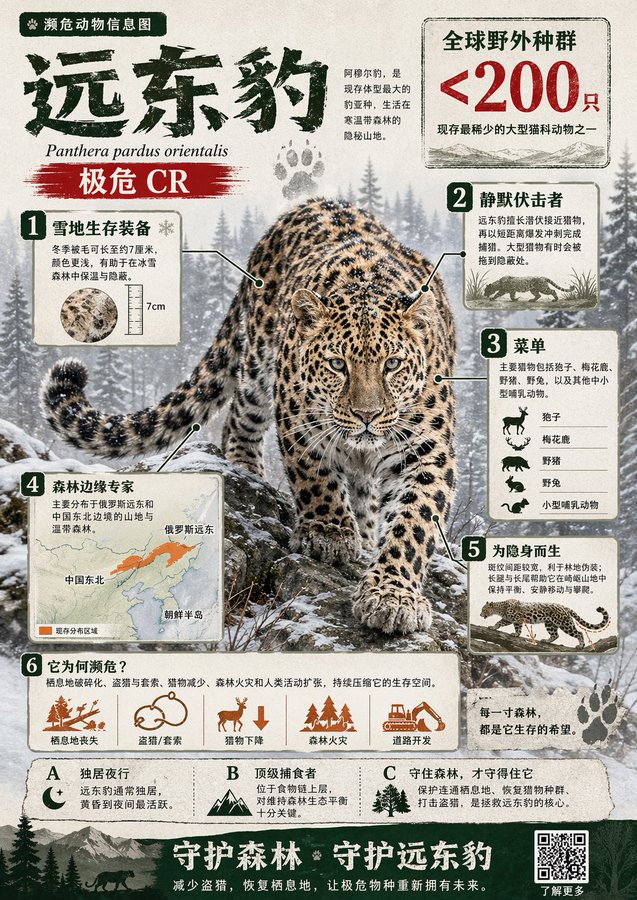
A breathtakingly intricate masterpiece technical infographic of [SUBJECT / 例如: Ancient Chinese Naval Warfare], strictly designed based on the following first-principle visual parameters.

[CANVAS & COLOR DICTATORSHIP]
BASE CANVAS (L0): Aged military parchment texture, warm #E8DCC4, with subtle weathered stains and historical map fiber textures.
SYSTEMIC COLOR (L1, ~60%): Traditional heavy charcoal ink #2B2B2B for structural technical lines, soldier silhouettes, and mechanical joinery.
CONTENT TIER COLOR (L2, ~30%): Weathered bronze, dark lacquer red, and iron gray #555555 to distinguish between different units and materials.
ACCENT COLOR (L3, ~5-10%): High-visibility Vermillion #E62B1E reserved ONLY for tactical arrows, fire/explosions, and commanding general banners.

[SPATIAL GRAVITY & TOPOLOGY]
COMPOSITION: [选择一个: 主从卫星布局 / 45度等轴测全景]. Information gravity flows in a logical tactical sequence.
BOUNDARIES: Professional editorial layout with clean margins; negative space serves as “tactical breathing room” to separate different combat phases.
MODULE TOPOLOGY: [N] distinct information modules depicting different scales (e.g., individual weapon detail vs. macro formation).

[DIMENSIONALITY & GRAPHIC PHYSICS]
STYLE: Fusion of Traditional Chinese Gongbi (meticulous line-art) and modern military tactical blueprints (like “Osprey Publishing” style).
LINE LANGUAGE: 0.8pt sharp technical outlines / 0.3pt faint background grid lines / 2pt bold borders for the main title seal.
SURFACE EFFECTS: Realistic material rendering — wood grain on ballistas, metallic sheen on lamellar armor, and subtle ink-wash shading for terrain.

[TYPOGRAPHY ECOSYSTEM — ADAPTIVE DENSITY]
TYPOGRAPHY DENSITY: Map-dominant (65% visual / 35% text).
T1 MACRO HEADER: Massive, ultra-bold Traditional Songti characters for the main title “[主题中文名]”. MUST be strictly pure Chinese Hanzi with an ink-pressed texture.
T2 MODULE HEADERS: Kaiti font enclosed in dark rectangular “military rank” badges, labeling different tactical zones.
T3 BODY TEXT: Clean, medium-weight Heiti (sans-serif) for weapon specifications and tactical roles. Every character must be razor-sharp.
T4 ANNOTATIONS: Micro-text with ultra-crisp technical lines pointing directly to components (e.g., trigger mechanism, fletching, armor joints).

[NARRATIVE FLOW]
NARRATIVE MODE: [选择一个: 流程顺序型 / 核心辐射型].
VISUAL ENTRY POINT: The most significant tactical unit (e.g., the command chariot or the primary siege engine).
PATH MECHANISM: Numerical sequence (1, 2, 3…) or bold cinnabar-red arrows guiding the viewer through the battle logic.

[ICONOGRAPHY & METAPHOR]
ICON STYLE: Highly detailed historical pictograms for units (infantry, cavalry, archers).
CORE METAPHOR: Military order as a precise clockwork mechanism.
CONSISTENCY: All symbols must adhere to the [时期/王朝, 如: Tang Dynasty] military aesthetic.

[MODULE STRUCTURE — SUGGESTED BLOCKS]
[MOD 1: CENTER-PIECE] — The primary [Weapons/Formation] with an exploded-view detail showing internal mechanics.
[MOD 2: TACTICAL MAP] — Top-down schematic showing unit movement and line-of-fire.
[MOD 3: SOLDIER EQUIPMENT] — Close-up side-by-side comparison of offensive vs. defensive gear.
[MOD 4: LOGISTICS/STATISTICS] — Small icon-based charts showing range, weight, or troop density.

[FINAL EXECUTION LOCK]
Render as a single, ultra-detailed educational plate. All visual systems must be internally consistent with a professional museum archive aesthetic. Every pixel must serve the purpose of clarifying complex military history.
Resolution target: Maximum information density, print-ready encyclopedia quality.

主题:中国古代兵器图鉴 3:4 4k文字清晰可读
一幅令人叹为观止的错综复杂的技术信息图杰作,主题为[SUBJECT / 例如: 中国古代海战],严格基于以下第一性原理视觉参数进行设计。

[画布与色彩专制]
基础画布 (L0): 老化军事羊皮纸纹理,温暖的 #E8DCC4,带有微妙的岁月污渍和历史地图纤维纹理。
系统性色彩 (L1, ~60%): 传统的浓重炭墨 #2B2B2B,用于结构技术线条、士兵剪影和机械连接处。
内容层级色彩 (L2, ~30%): 风化青铜色、深漆红色和铁灰色 #555555,用于区分不同兵种和材料。
强调色 (L3, ~5-10%): 高可视度朱红色 #E62B1E,仅保留用于战术箭头、火/爆炸以及主将旗帜。

[空间重力与拓扑学]
构图: [选择一个: 主从卫星布局 / 45度等轴测全景]。信息重力以符合逻辑的战术顺序流动。
边界: 专业的编辑排版布局,带有干净的页边距;负空间作为“战术呼吸空间”以分隔不同的战斗阶段。
模块拓扑: [N] 个不同的信息模块,描绘不同的尺度(例如,单个武器细节与宏观阵型)。

[维度与图形物理学]
风格: 传统中国工笔(精细线稿)与现代军事战术蓝图的融合(类似“Osprey Publishing”风格)。
线条语言: 0.8pt 锐利的技术轮廓线 / 0.3pt 淡雅的背景网格线 / 2pt 粗边框用于主标题印章。
表面效果: 写实材料渲染——弩炮上的木纹、鳞甲上的金属光泽,以及地形的微妙水墨晕染阴影。

[排版生态系统 — 自适应密度]
排版密度: 地图主导(65% 视觉 / 35% 文本)。
T1 宏观标题: 巨大、极粗的传统宋体字符,用于主标题“[主题中文名]”。必须是严格纯中文汉字,带有压墨纹理。
T2 模块标题: 楷体字体,包含在深色矩形的“军衔”徽章中,标记不同的战术区域。
T3 正文文本: 干净、中等粗细的黑体(无衬线体),用于武器规格和战术角色。每个字符必须如刀割般锐利。
T4 注释: 微型文本,带有超清晰的技术线条,直接指向组件(例如,扳机机构、箭羽、盔甲接缝)。

[叙事流]
叙事模式: [选择一个: 流程顺序型 / 核心辐射型]。
视觉入口点: 最重要的战术单位(例如,指挥战车或主攻城器械)。
路径机制: 数字序列(1, 2, 3…)或粗体朱红色箭头,引导观者了解战斗逻辑。

[图像学与隐喻]
图标风格: 高度详细的历史象形图,用于各个兵种(步兵、骑兵、弓箭手)。
核心隐喻: 军事秩序如同精密的钟表发条机制。
一致性: 所有符号必须遵循[时期/王朝, 如: Tang Dynasty]的军事美学。

[模块结构 — 建议区块]
[MOD 1: 核心展品] — 主要的[武器/阵型],带有展示内部机械结构的爆炸视图细节。
[MOD 2: 战术地图] — 俯视图示意图,显示单位移动和火力线。
[MOD 3: 士兵装备] — 攻击与防御装备的特写并排对比。
[MOD 4: 后勤/统计数据] — 基于小图标的图表,显示射程、重量或部队密度。

[最终执行锁定]
渲染为单个、超细节的教育图版。所有视觉系统必须在内部保持一致,具有专业的博物馆档案美学。每一个像素都必须服务于阐明复杂军事历史的目的。
分辨率目标: 最大信息密度,达到印刷级百科全书质量。

主题:中国古代兵器图鉴 3:4 4k文字清晰可读