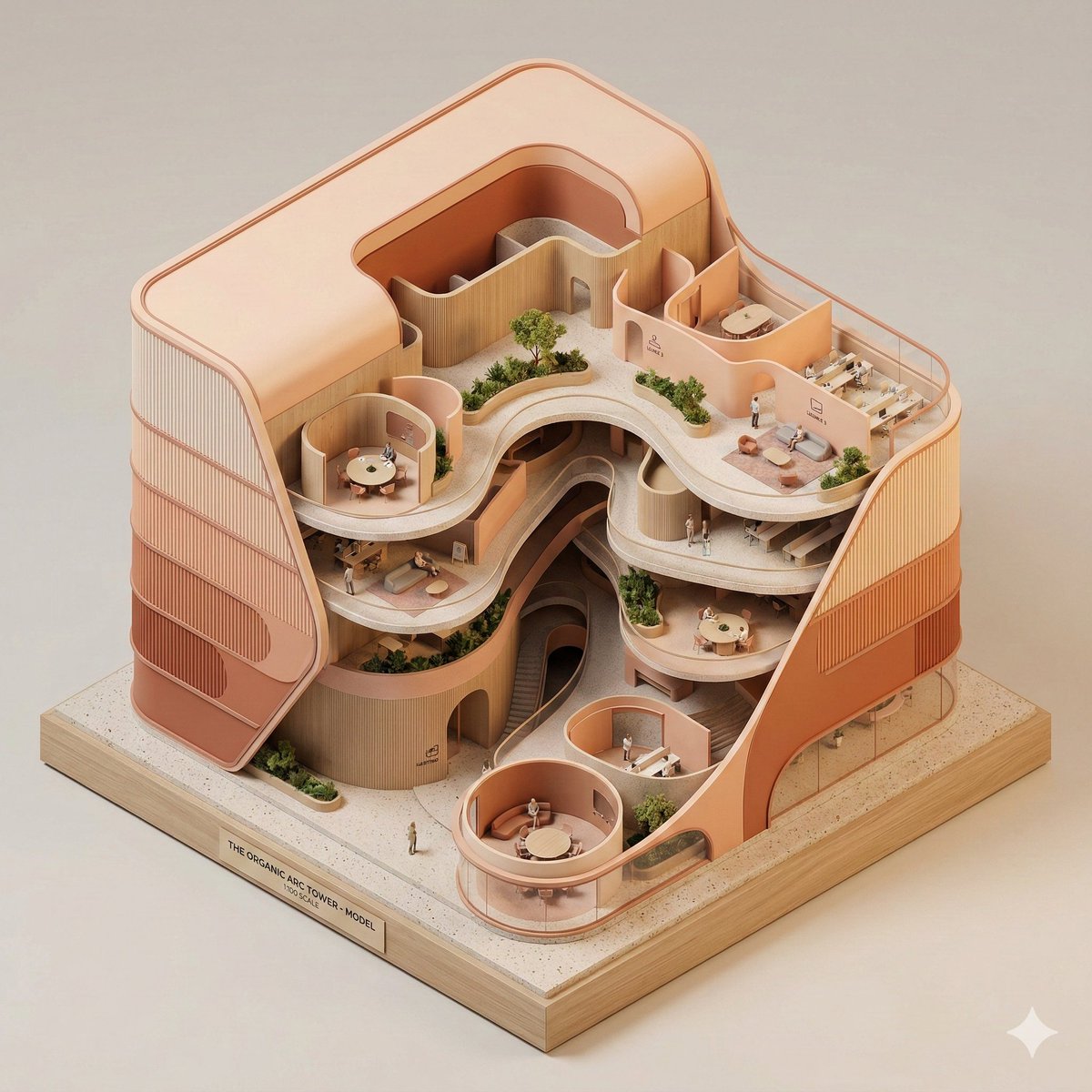
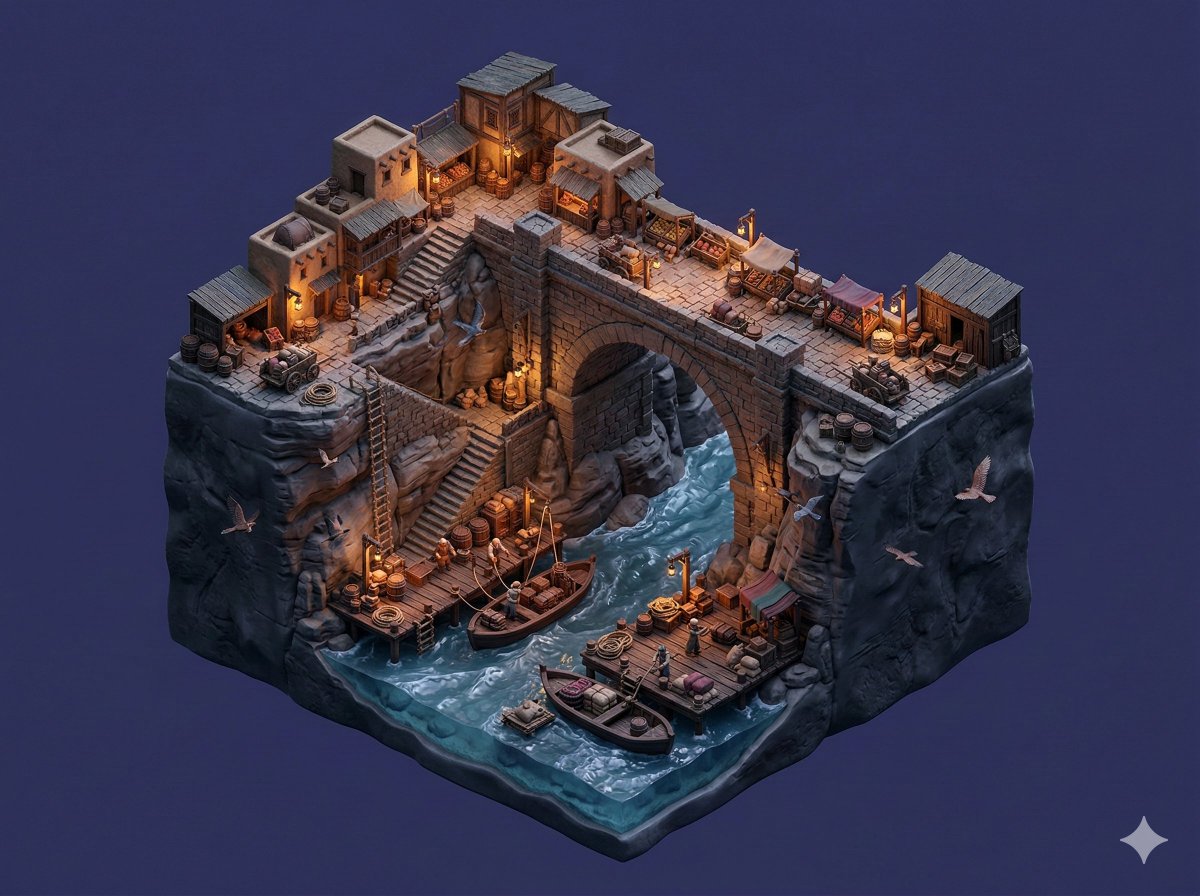
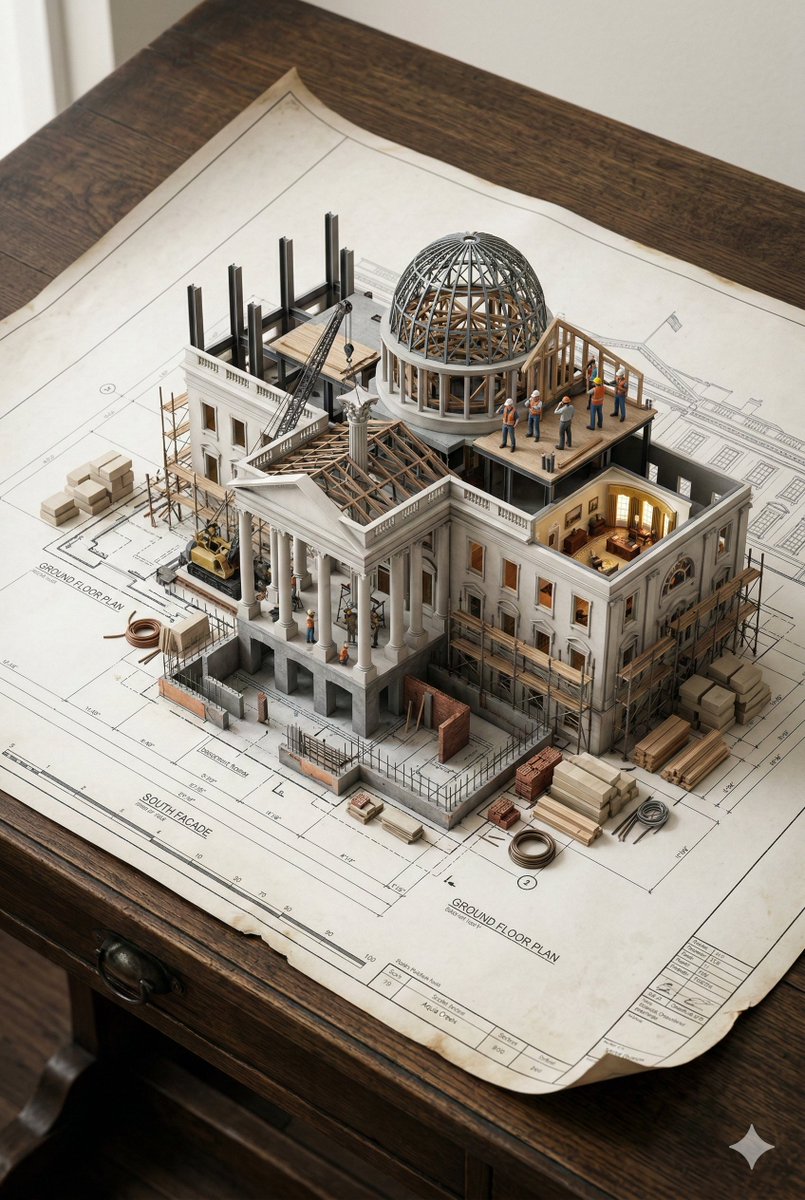
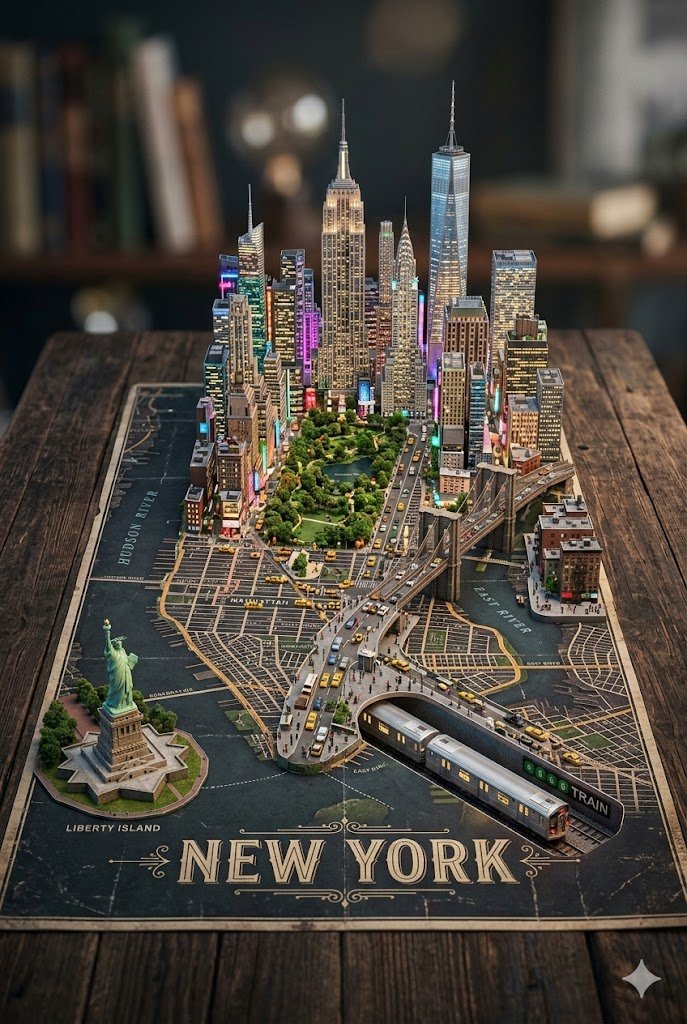
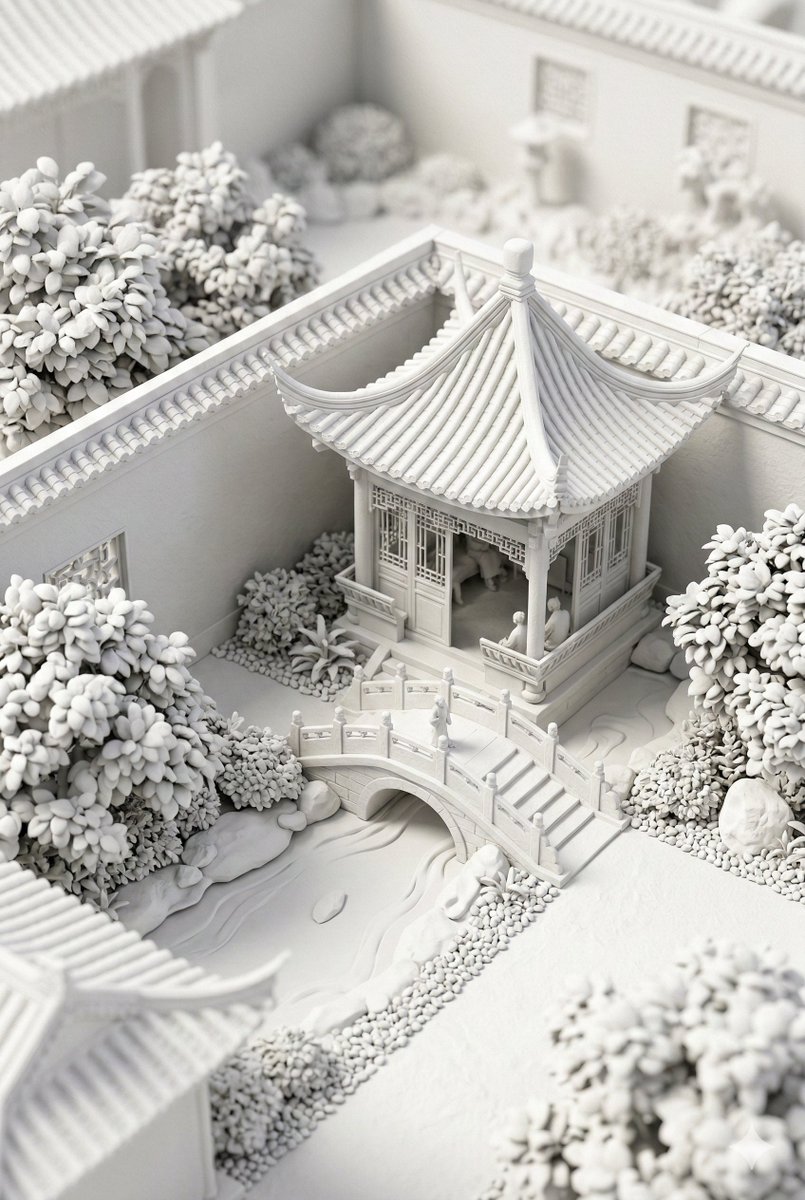
Please create a high-completion, high-texture, suitable-for-series-release "Landscape Archive Model" visual image based on the 【Theme】.

This is not an ordinary map, nor an ordinary landscape illustration or city rendering, but a high-end archival visual image combining "2D map drawing + 3D regional model + professional explanation system + museum exhibition sense". The image needs to look like a real geographical research model, urban planning sandbox, architectural proposal model, or worldview setting exhibit, possessing a professional, restrained, precise, touchable high-end texture.

【Basic Settings】
Theme: 【Theme, for example Crater Lake / Guangzhou / Chongqing Mountain City / Island City / Ancient City Ruins / Post-Apocalyptic Ruins / Fantasy Continent / Game Main City】
Theme Type: 【Natural Landform / Urban Space / Mixed Landscape】
Core Subject: 【Core Subject, for example crater, canyon, mountain range, lake, CBD, old city district, landmark cluster, island city, ruins cluster, main city area】
Content Focus: 【Content Focus, for example terrain elevation difference / urban landmarks / road network structure / water system relationship / nature and city relationship / setting collection display】
Style Direction: 【Style Direction, for example geographic mapping style, paper carving model style, architectural proposal style, museum archive style, urban planning style, game setting collection style】
Main Color Tone: 【Main Color Tone, for example off-white, light gray, parchment white, sand color, snow white】
Auxiliary Color: 【Auxiliary Color, for example earth brown, rock gray, cold gray, light blue, moss green】
Accent Color: 【Accent Color, for example black thin lines, red routes, blue hydrological lines, yellow numbered markers】
Aspect Ratio: 【Aspect Ratio, for example 16:9 horizontal / 3:4 vertical / 4:5 vertical / 1:1 square】

【Image Structure】
The main body of the image is a rectangular map model board placed on a clean desktop or white cloth. The baseboard has real thickness, with cross-section structure visible at the edges, like an exquisite map slice or model base. The map surface is covered with clear but restrained information layers, including contour lines, road networks, hydrological lines, zoning boundaries, geographic textures, coordinate sense, slight annotations, and drawing borders.

In the center or off-center area of the map, a three-dimensional main model "grows" three-dimensionally from the two-dimensional map, becoming the visual core of the entire image.

If the 【Theme Type】 is Natural Landform:
The subject can be composed of mountains, canyons, craters, lakes, basins, islands, glaciers, faults, coastlines, emphasizing terrain elevation differences, stacked contour line structures, rock wall textures, and natural landform undulations.

If the 【Theme Type】 is Urban Space:
The subject can be composed of core urban areas, CBDs, old city blocks, landmark building clusters, waterfront areas, road network nodes, bridges, water systems, park green spaces, emphasizing building volumes, city recognition, spatial layers, and planning structures.

If the 【Theme Type】 is Mixed Landscape:
It needs to simultaneously integrate natural terrain and artificially built environments, such as mountain cities, island cities, ancient city ruins, post-apocalyptic ruins, fantasy main cities, sci-fi bases, allowing natural landforms and urban structures to jointly form the core visual.

【Detail Requirements】
- The model surface retains the sense of map drawing and professional information
- Terrain areas should have contour lines, slope layers, depression and undulation relationships
- Building areas should have a sense of volume, block relationships, and clear layers
- Water areas are represented using low-saturation light blue
- Green spaces, forests, parks, and mountains can be represented using moss green or low-saturation green
- Road networks, paths, transportation axes, or exploration routes can be represented with thin lines, but must not overshadow the main subject
- If there are landmark buildings or key structures, they should have clear recognition
- If there are fantasy, sci-fi, or game setting elements, the archive model and drawing display sense must be retained, rather than making them into pure scene illustrations

【Explanation System】
The edges of the map board need to be designed with complete and restrained explanation modules, including:
- Outer frame line and inner frame line
- Scale bar
- Legend area
- Title area
- Archive number
- Index markers
- Annotation labels
- Concise symbol explanations
The text does not need to be fully readable, but the overall must present a real, clear, precise, orderly archival typographic structure.

【Composition and Camera】
Adopt an oblique overhead isometric or sandbox-style composition, with the camera observing the entire model board from about 30 to 45 degrees above, allowing the audience to simultaneously see the map plane, the three-dimensional main subject height, the edge thickness, and the explanation area. The visual center of gravity is concentrated on the central main model, and the reading path is: first look at the core subject, then look at the surrounding terrain/road network/water system/block information, and finally look at the legend, scale bar, and explanation area.

【Material and Lighting】
The overall needs to have a real model photography texture:
- Paper texture
- Map printing texture
- Paper carving or sandbox model sense
- Architectural model or terrain slice texture
- Soft natural light
- Delicate real shadows
- Clean background
- Low saturation, high-end, restrained
Avoid cartoonization, cheap game UI sense, excessive clutter, excessive showing off, focusing on highlighting the unified visual of "map baseboard + three-dimensional main subject + professional explanation system".

The final effect should look like a landscape archive model image that can be used for geography science popularization, urban research, architectural proposals, cultural tourism visual features, worldview setting collections, or high-end series covers.
请根据【主题】创作一张高完成度、高质感、适合系列化发布的「地景档案模型 / Landscape Archive Model」视觉图。

这不是普通地图,也不是普通风景插画或城市效果图,而是一张结合“二维地图图纸 + 三维立体区域模型 + 专业说明系统 + 博物馆展陈感”的高端档案式视觉图。画面需要像一件被真实制作出来的地理研究模型、城市规划沙盘、建筑提案模型或世界观设定展品,具有专业、克制、精密、可触摸的高级质感。

【基础设定】
主题:【主题,例如火山口湖 / 广州 / 重庆山城 / 海岛城市 / 古城遗址 / 末日废墟 / 幻想大陆 / 游戏主城】
主题类型:【自然地貌 / 城市空间 / 混合景观】
核心主体:【核心主体,例如火山口、峡谷、山脉、湖泊、CBD、老城区、地标群、岛屿城市、遗址群、主城区域】
内容重点:【内容重点,例如地形高差 / 城市地标 / 路网结构 / 水系关系 / 自然与城市关系 / 设定集展示】
风格方向:【风格方向,例如地理测绘风、纸雕模型风、建筑提案风、博物馆档案风、城市规划风、游戏设定集风】
主色调:【主色调,例如米白、浅灰、羊皮纸白、沙色、雪白】
辅助色:【辅助色,例如土褐、岩灰、冷灰、淡蓝、苔绿】
点缀色:【点缀色,例如黑色细线、红色路线、蓝色水文线、黄色编号标记】
画幅比例:【画幅比例,例如16:9横版 / 3:4竖版 / 4:5竖版 / 1:1方图】

【画面结构】
画面主体是一块放置在干净桌面或白色布面上的矩形地图模型板。底板具有真实厚度,边缘可见剖面结构,像一块精致的地图切片或模型底座。地图表面覆盖清晰但克制的信息层,包括等高线、道路网络、水文线、分区边界、地理纹理、坐标感、轻微标注和图纸边框。

在地图中央或偏中心区域,从二维地图中立体“生长”出一个三维主体模型,成为整张图的视觉核心。

如果【主题类型】为自然地貌:
主体可由山体、峡谷、火山口、湖泊、盆地、岛屿、冰川、断层、海岸线等构成,强调地形高差、层叠等高线结构、岩壁纹理和自然地貌起伏。

如果【主题类型】为城市空间:
主体可由核心城区、CBD、老城街区、地标建筑群、滨水区、路网节点、桥梁、水系、公园绿地等构成,强调建筑体块、城市识别度、空间层次与规划结构。

如果【主题类型】为混合景观:
需同时整合自然地形与人工建成环境,例如山城、海岛城市、古城遗址、末日废墟、幻想主城、科幻基地等,让自然地貌与城市结构共同构成核心视觉。

【细节要求】
- 模型表面保留地图图纸感与专业信息感
- 地形区域应有等高线、坡面层次、凹陷与起伏关系
- 建筑区域应有体块感、街区关系和清晰层次
- 水域使用低饱和淡蓝色表现
- 绿地、森林、公园、山体可用苔绿色或低饱和绿色表现
- 路网、路径、交通轴线或探索线路可用细线表现,但不要喧宾夺主
- 若有地标建筑或重点结构,应具备明确识别度
- 若有幻想、科幻或游戏设定元素,应保留档案模型和图纸展示感,而不是做成纯场景插画

【说明系统】
地图板边缘需要设计完整而克制的说明模块,包括:
- 外框线和内框线
- 比例尺
- 图例区
- 标题区
- 档案编号
- 索引标记
- 注释标签
- 简洁的符号说明
文字不必全部可读,但整体必须呈现真实、清晰、精密、有秩序的档案式排版结构。

【构图与镜头】
采用斜俯视等轴测或沙盘式构图,镜头从上方约30到45度观察整块模型板,让观众同时看到地图平面、立体主体高度、边缘厚度和说明区。视觉重心集中在中央主体模型,阅读路径为:先看核心主体,再看周边地形/路网/水系/街区信息,最后看图例、比例尺和说明区。

【材质与光影】
整体需要具有真实模型摄影质感:
- 纸张纹理
- 地图印刷质感
- 纸雕或沙盘模型感
- 建筑模型或地形切片质感
- 柔和自然光
- 细腻真实阴影
- 干净背景
- 低饱和、高级、克制
避免卡通化、廉价游戏UI感、过度杂乱、过度炫技,重点突出“地图底板 + 立体主体 + 专业说明系统”的统一视觉。

最终效果应像一张可以用于地理科普、城市研究、建筑提案、文旅视觉专题、世界观设定集或高端系列封面的地景档案模型图。