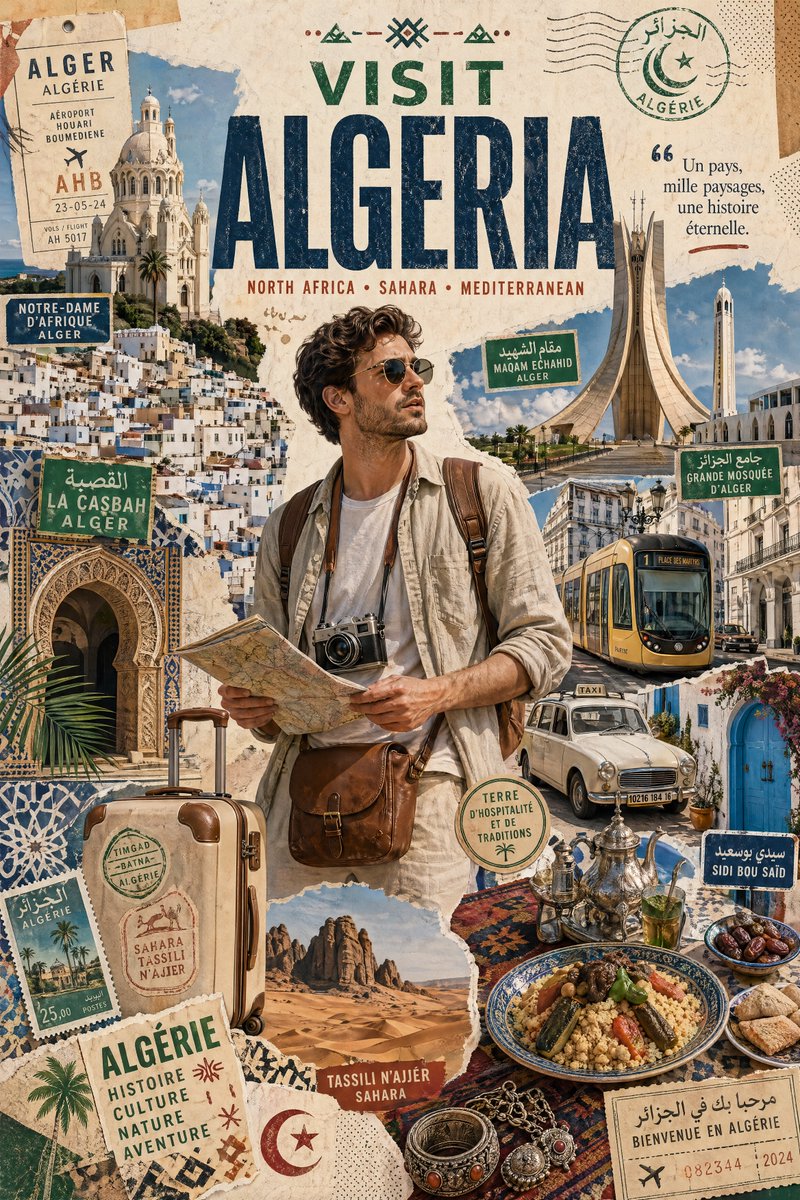
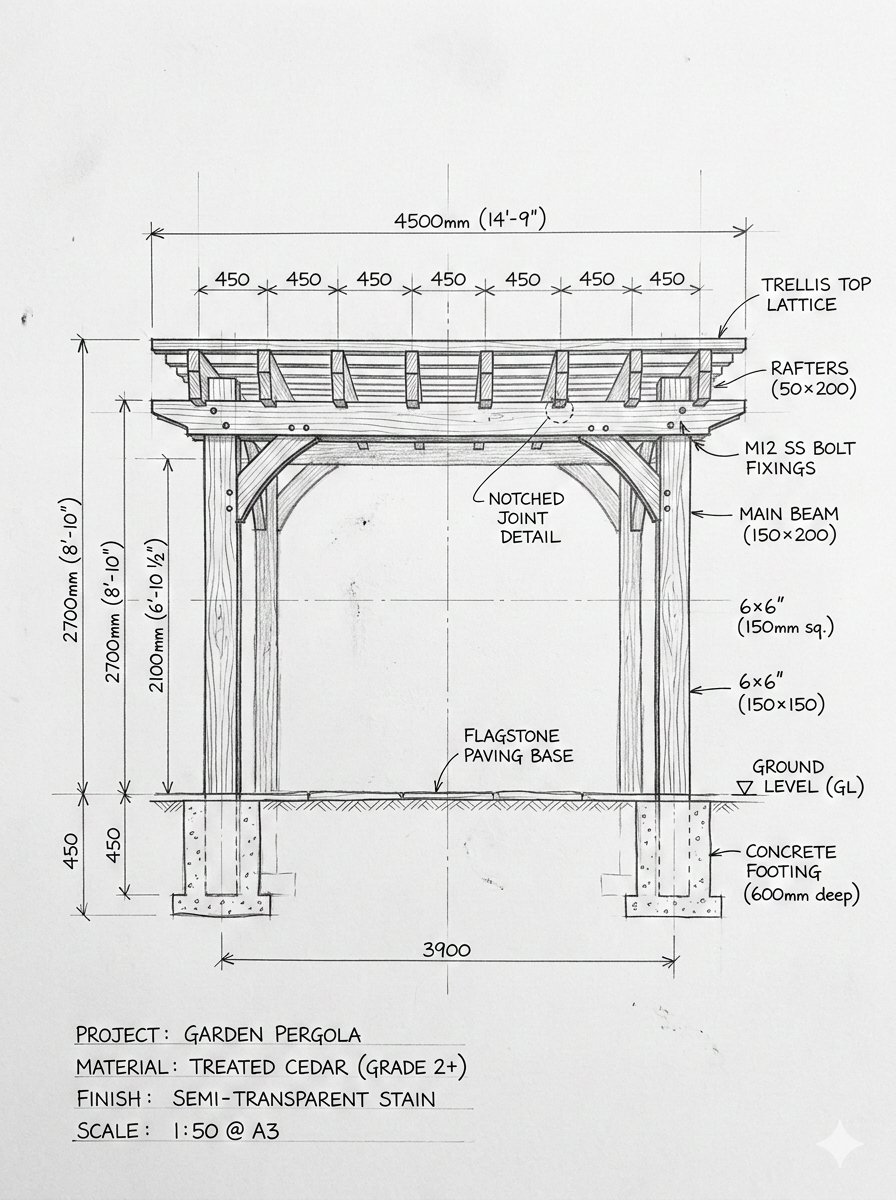
Create a high-quality visual work with an **architectural designer's hand-drawn style**, showcasing **architectural details**, **structure**, **technical measurements**, and **cultural background**. The work should be a perfect combination full of **artistry** and **knowledgeability**. The overall style should retain the **sense of freedom of hand-drawn sketches**, while focusing on details and measurements, similar to the **original manuscripts of architectural masters**, such as the works of Lin Huiyin or internationally renowned architects.

### I. Overall Style:
- The overall work is **hand-drawn style + architectural measurement and technical annotation**, full of freehand lines and artistic sense. Through **rough lines**, **imperfect details**, and **measurement numbers and units**, the work reflects the structural beauty and design intent of the architecture.
- The picture needs to reflect the **randomness of hand-drawn sketches**, without being too refined, but must retain the authenticity and technicality of architectural design. Every architectural detail (such as roofs, pillars, carvings, etc.) should have clear measurements and technical annotations, presenting both the exterior appearance of the architecture and revealing the internal structure and design concepts.

### II. Core Composition Logic:
- The **core visual subject** of the work should unfold in a **diagonal way**, ensuring the composition has **fluidity and tension**. The structure of the architecture, every angle, dimensional proportions, and other content should unfold naturally, constructing a visual long scroll of **information flow**.
- It is necessary to use details such as **dimension rulers** and **units** for annotation, making the proportions, spatial relationships, and design details of each part of the architecture clear at a glance.
- **Architectural details**, **structural design**, **material application**, etc., should be presented through freehand brushstrokes, while adding **precise technical annotations**, forming a perfect fusion of art and technology.

### III. Measurement and Technical Details:
- Every **architectural detail** should have clear measurement annotations, and **dimensions**, **units**, **proportions**, etc., should be annotated in detail at the key parts of the architecture.
- **Technical details** such as the diameter of pillars, the length of beams, the angle of the roof, etc., should be clearly displayed, accompanied by annotations of **building materials**, so that every architectural part has detailed **technical descriptions**.
- In the picture, use **ruler lines** to ensure the accuracy of the architecture, while maintaining the freedom of hand-drawing.

### IV. Background and Negative Space:
- The background should be a **simple off-white** or **light gray tone**, with a slight **handmade paper texture**, presenting the texture of **high-end handmade paper**, without interfering with the main architectural body. The background tone should have a **rough feel**, but ensure a good **contrast ratio** with the text, making the text clear and readable.
- It is necessary to retain a large area of **negative space**, which not only provides a sense of space but also helps to highlight every detail of the architecture, focusing the audience's attention on the architecture itself. The use of negative space should have a sense of rhythm and visual hierarchy.

### V. Text and Typography:
- The text information must be naturally integrated with the architectural elements in the picture, and the text such as annotations, rulers, and technical instructions should be **clear and readable**.
- **Language adaptation**: Automatically select Chinese or English as the explanatory text according to the user's input language. For example, if the input is Chinese, all annotations and knowledge points should be presented in Chinese, and vice versa.
- **Annotation content** needs to include the **historical background**, **cultural symbolism**, **technical features**, **design concepts**, etc., of the architecture, and be presented through **clear typography**. The text typography should echo the architectural graphics, avoiding interference with the main content.

### VI. Material and Color Scheme of Pinyin/English Large Text:
- **Pinyin or English large text title** serves as the core text of the picture, displaying the name of the architecture.
- The large text title should have a **hot stamping texture**, **metal material sense**, or **relief effect**, displaying a **sense of high class** and **exquisite printing effect**.
- **Color tone** can adopt **metallic colors**, **champagne gold**, **platinum**, etc., displaying the high-end sense and exquisite sense of the architecture.

### VII. Surrounding Information and Knowledge Points:
- The surroundings of the picture should contain **relevant knowledge points** of the architecture, including the **historical background**, **cultural value**, **technical innovation**, **design philosophy**, etc., of the architecture.
- This information should be presented in an **artistic typography method**, **avoiding lengthy text stacking**, but rather being **concise and valuable**, providing an in-depth understanding of the architecture.
- The **integration of information and architectural details** should have a sense of rhythm, with text and architectural graphics naturally intertwining to form an organic whole.

### VIII. Overall Temperament Goal:
- The picture should present a fusion of **architectural artistry** and **technicality**, ensuring that the hand-drawn style does not lose the accuracy of the architecture, while simultaneously displaying the spirit and structural beauty of the architecture.
- The work should have a strong **academic and cultural nature**, capable of serving as a **classic display** of architectural design, while also possessing the collection value of an artwork.
- The overall atmosphere should be warm, free, and full of creativity, without losing the rigor of structure and the richness of details, suitable for **teaching and display use**.

### IX. Problems to Avoid:
- Avoid **overly refined drawing**, maintaining the natural and rough feel of hand-drawing.
- Do not let the text interfere with the visual expression of the architecture; the **text should be concise and precise**, without stacking too much information.
- **Measurement annotations** and **annotation text** must ensure **clear and easy readability**, and cannot be blurred.

### X. Final Goal:
Create an architectural hand-drawn work combining **artistry and technicality**, through detailed **measurement annotations**, **technical annotations**, and **cultural descriptions**, presenting all aspects of the architecture, making it both possess high-end artistry and capable of serving as **professional materials for teaching use**.
This work will display the history, structure, and design philosophy of the architecture, with a **freehand drawing style**, while ensuring the **clear display** of knowledge points.

User final input:
【Architecture Name】: _____
Size requirements: _____
创作一张具有**建筑设计师手绘风格**的高质量视觉作品,展现**建筑细节**、**结构**、**技术测量**以及**文化背景**,作品应充满**艺术性**与**知识性**的完美结合。整体风格应保留**手绘草图的自由感**,同时注重细节和测量,类似**建筑大师原稿**,如林徽因或国际知名建筑师的作品。

### 一、整体风格:
- 整体作品为**手绘风格 + 建筑测量与技术标注**,充满自由的手绘线条和艺术感。通过**粗犷的线条**、**不完美的细节**以及**测量数字与单位**,让作品体现建筑的结构美感和设计意图。
- 画面中需体现出**手绘草图的随机感**,不必过于精细,但必须保留建筑设计的真实性与技术性。每个建筑细节(如屋顶、柱子、雕刻等)都应该有清晰的测量和技术注释,既呈现建筑外观,又揭示内部结构与设计理念。

### 二、核心构图逻辑:
- 作品的**核心视觉主体**应通过**对角线的方式**展开,确保构图具有**流动性和张力**。建筑的结构、每个角度、尺寸比例等内容都应该自然展开,构建起**信息流动**的视觉长卷。
- 需要用**尺寸标尺**、**单位**等细节标注,使得建筑的各部分比例、空间关系、设计细节一目了然。
- **建筑的细节**、**结构设计**、**材料运用**等要通过自由的手绘笔触呈现,同时加上**精确的技术标注**,形成艺术与技术的完美融合。

### 三、测量与技术细节:
- 每个**建筑细节**都应该有明确的测量标注,**尺寸**、**单位**、**比例**等要详细标注在建筑的关键部分。
- **技术性细节**如柱子的直径、梁的长度、屋顶的角度等要清晰显示,配合**建筑材料**的标注,使得每个建筑部分都有详细的**技术描述**。
- 在画面中,使用**标尺线条**来确保建筑的精确性,同时保持手绘的自由感。

### 四、背景与留白:
- 背景应为**简约的米白色**或**浅灰色调**,带有轻微的**手工纸纹理**,呈现**高档手工纸的质感**,不干扰建筑主体。背景色调应具有**粗糙感**,但保证与文字之间有良好的**对比度**,使文字清晰可读。
- 需要保留大面积**留白**,这种留白既提供空间感,也帮助突出建筑的每个细节,使观众的注意力聚焦在建筑本身。留白的使用应富有节奏感和视觉层次感。

### 五、文字与排版:
- 文字信息必须与画面中的建筑元素自然融合,注释、标尺、技术说明等文字要**清晰可读**。
- **语言适配**:根据用户的输入语言,自动选择中文或英文作为解释文字。例如,若输入为中文,则所有注释和知识点都应呈现为中文,反之则为英文。
- **注释内容**需包括建筑的**历史背景**、**文化象征**、**技术特色**、**设计理念**等,并通过**清晰的排版**呈现。文字排版要与建筑图形呼应,避免干扰主体内容。

### 六、拼音/英文大字的材质与配色:
- **拼音或英文大字标题**作为画面的核心文字,展现建筑名称。
- 大字标题应具有**烫印质感**、**金属材质感**或**浮雕效果**,展现**高级感**和**精致的印刷效果**。
- **色调**可以采用**金属色**、**香槟金**、**铂金**等色调,展现建筑的高端感和精致感。

### 七、四周信息与知识点:
- 画面四周应包含建筑的**相关知识点**,包括建筑的**历史背景**、**文化价值**、**技术创新**、**设计哲学**等。
- 这些信息要通过**艺术化的排版方式**呈现,**避免冗长的文字堆砌**,而是要**简洁而富有价值**,提供建筑的深度理解。
- **信息与建筑细节的融合**应富有节奏感,文字与建筑图形自然交织,形成有机的整体。

### 八、整体气质目标:
- 画面应呈现**建筑艺术性**与**技术性**的融合,确保手绘风格不失建筑的精确度,同时展现建筑的精神与结构之美。
- 作品应具有强烈的**学术性与文化性**,能够作为建筑设计的**经典展示**,同时具备艺术品的收藏价值。
- 整体氛围应温暖、自由、充满创意,又不失结构的严谨和细节的丰富,适合**教学与展示使用**。

### 九、避免的问题:
- 避免**过于精细的绘制**,保持手绘的自然感和粗糙感。
- 不要让文字干扰建筑的视觉表达,**文字应简洁而精确**,不堆砌过多信息。
- **测量标注**和**注释文字**要保证**清晰易读**,不能模糊不清。

### 十、最终目标:
创作一张结合**艺术性与技术性的建筑手绘作品**,通过精细的**测量标注**、**技术注释**和**文化说明**,呈现建筑的各个方面,使其既具备高端艺术性,又能够作为**教学使用的专业资料**。
这幅作品将展示建筑的历史、结构和设计哲学,带有**自由的手绘风格**,同时保证知识点的**清晰展示**。

用户最终输入:
【建筑名称】:_____
尺寸要求:_____